In a world that often moves too fast for those with mobility challenges, accessible taxis offer a rare and vital pause—a moment where dignity, autonomy, and inclusion converge. These vehicles are more than just modified modes of transport; they are instruments of empowerment, helping individuals with disabilities live independently, participate fully in society, 輪椅的士 最平 and reclaim control over their daily lives. As cities evolve and conversations around equity grow louder, the role of accessible taxis in supporting independent living has never been more critical.
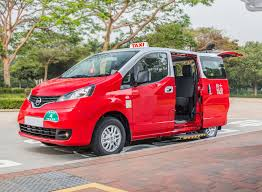
Independent living is not merely about residing alone or managing personal affairs without assistance. It’s about choice. It’s about the freedom to decide where to go, when to go, and how to get there. For wheelchair users and others with mobility impairments, traditional transportation options often fall short. Public transit systems may lack proper infrastructure, ride-hailing services may not offer suitable vehicles, and private cars may not be feasible. Accessible taxis fill this gap, offering a tailored solution that respects the unique needs of each passenger.
The essence of accessible taxis lies in their design. These vehicles are equipped with features that prioritize safety, comfort, and usability. From hydraulic lifts and ramps to spacious interiors and securement systems, every element is crafted to ensure that passengers can board, ride, and exit with ease. But beyond the mechanics, there’s a deeper philosophy at play—one that values the lived experience of disability and seeks to remove the barriers that isolate and exclude.
For many, the availability of accessible taxis marks a turning point. It transforms errands into adventures, obligations into opportunities. A trip to the grocery store becomes a chance to engage with the community. A ride to a medical appointment becomes a moment of self-reliance. A journey to a social gathering becomes a celebration of inclusion. These everyday experiences, often taken for granted by able-bodied individuals, become milestones of independence for those who rely on accessible transport.
The psychological impact of accessible taxis cannot be overstated. When mobility is restricted, so too is the sense of agency. Individuals may feel trapped, dependent, or invisible. Accessible taxis challenge this narrative. They offer a tangible reminder that society sees and values every person, regardless of physical ability. They restore confidence, nurture self-esteem, and affirm the right to participate fully in life’s rhythms.
Accessible taxis also play a crucial role in employment and education. Reliable transportation is a cornerstone of professional and academic success. Without it, opportunities shrink and aspirations stall. With it, doors open. People with disabilities can attend job interviews, maintain work schedules, pursue degrees, and engage in lifelong learning. The ripple effect is profound—not just for individuals, but for families, communities, and economies.
Healthcare access is another domain where accessible taxis make a significant difference. Regular visits to doctors, therapists, and specialists are essential for managing chronic conditions and maintaining well-being. Yet missed appointments due to transportation barriers are all too common. Accessible taxis eliminate this obstacle, ensuring that care is not just available but reachable. They bridge the gap between intention and action, turning health plans into realities.
Social inclusion is perhaps the most heartening outcome of accessible taxi services. Isolation is a silent struggle for many with mobility challenges. When transportation is inaccessible, social circles shrink, and loneliness grows. Accessible taxis reverse this trend. They enable people to attend family gatherings, cultural events, religious services, and recreational activities. They foster connection, belonging, and joy. They remind us that everyone deserves to be part of the story.
Technology has amplified the impact of accessible taxis. Digital platforms now allow users to book rides, specify accessibility needs, and track vehicles in real time. These tools offer convenience and transparency, reducing anxiety and enhancing user experience. Some services even provide driver profiles, estimated arrival times, and feedback options, creating a sense of control and personalization. In this way, technology becomes an ally in the quest for independence.
Driver training is another essential component. Operating an accessible taxi requires more than technical skill—it demands empathy, patience, and awareness. Drivers must understand how to assist passengers respectfully, secure mobility devices properly, and communicate clearly. When done well, this interaction becomes a partnership, rooted in trust and mutual respect. It transforms a simple ride into a meaningful exchange.
Despite these advancements, challenges remain. In many regions, the number of accessible taxis is insufficient to meet demand. Costs can be prohibitive, and service coverage may be uneven. Policy makers must address these gaps through funding, incentives, and regulation. Public awareness campaigns can also shift societal attitudes, fostering a culture of inclusion and advocacy. The goal is not just to provide accessible taxis, but to make them ubiquitous and affordable.
Private sector involvement is key. Ride-hailing companies, taxi fleets, and automotive manufacturers must prioritize accessibility in their business models. It’s not just about compliance—it’s about conscience. When companies invest in accessible vehicles, they demonstrate a commitment to equity and innovation. They show that profit and purpose can coexist, and that every customer matters.
Education plays a vital role in sustaining progress. Schools, universities, and training centers should incorporate disability awareness into their curricula. When young people learn to value inclusivity, they grow into adults who demand it. This cultural shift can drive systemic change, ensuring that accessibility is not an afterthought but a foundational principle.
The future of accessible taxis is promising. Advances in robotics, artificial intelligence, and smart city planning offer new possibilities. Imagine autonomous vehicles that adjust seating configurations automatically, communicate with mobility devices, and offer real-time health monitoring. These innovations are not distant dreams—they are on the horizon. They reflect a world where accessibility is embedded in every layer of design and decision-making.
Ultimately, accessible taxis are about more than transportation. They are about freedom. They are about the right to move, to choose, to live. They are about breaking down barriers—physical, social, and psychological—and building bridges of opportunity and inclusion. They are about recognizing that every journey matters, and that every person deserves a way forward.
As we navigate the complexities of modern life, let us remember that accessibility is not a favor—it’s a fundamental human right. Let us champion the vehicles that carry this vision forward. Let us celebrate the independence they foster, the dignity they uphold, and the lives they transform.